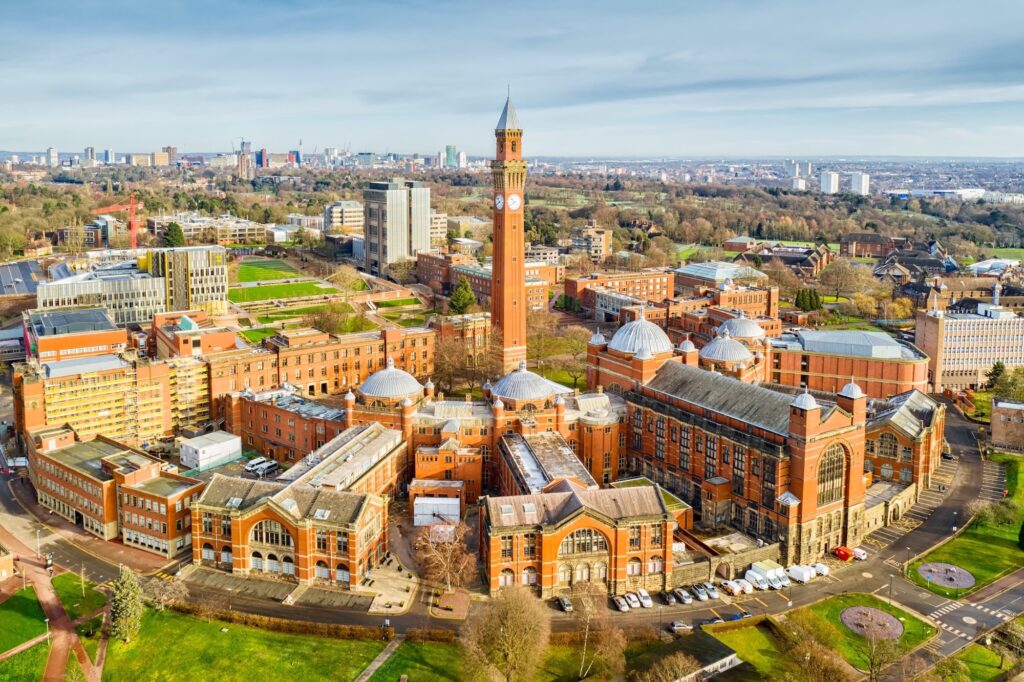
Cian has very kindly provided us with another write up from another very interesting lecture at University of Birmingham. This ties in perfectly with electricity and magnetism unit our Year 8’s are currently studying. Thank you again Cian for sharing what you have learned with us so we can all benefit. He certainly embodies each of our Turves Values.
“Fundamental things to universe- atoms (electron, proton, nucleus)
Human beings- brain, heart, skeletal muscles, peripheral nerves- there must be a magnetic field involved. There are magnetic fields that control things like heart, muscles
Why do animals migrate- a sea turtle can go back to where they were born, even after swimming alone for 10,000miles for 1 year- not just turtles, birds, butterflies, bugs- all sense earth's magnetic field. Earth could be considered one giant magnet. Inside earth, outer core, molten iron, charged particles, we experience this as a magnetic field. Every 300,000 years, the magnetic field flips. We don't know when it will happen next, could be 100,000 years.
Earth's crust is constantly recreated- magma pushes up, solidifies, makes new rock layer. Especially in ocean.
Earth's magnetic field protects us from the solar storms that the sun emits. All planets are magnetic, so we can assume that all space objects are magnetic. most magnetic thing is a neutron star. There is a vast empty space between galactic clusters. So empty that if you travel in straight line, you will only occur 1 particle every few km. Despite seeming empty, it is full of strong magnetic fields. Magnetism links to everything, from tiny atoms to giant neutron stars
A famous person believed the earth was a giant magnet. He made a giant magnetic sphere and got a needle. He moved around it, always pointed north. Micheal F came up with the idea of magnetic fields.
In low temp, atoms/electrons are straight, so are magnetic. In high temp, thermal waves disrupt them, not magnetic.
Transparent, shiny, pink magnetic crystals. Each different crystal material, the atoms are arranged predominantly in one direction. Some of the crystals are arranged in 2d. The layers are too far apart, so the atoms can’t communicate together.
All the different phenomenons over 100s of years have helped us understand magnets as they are today
MRI machines save hundreds of thousands of lives a year. It runs from a superconductor, a giant magnetic field 10,000 times that of the earth*.
Technology like the HDD use magnets.
There are lots of magnetic implications in everyday life. A microphone, a speaker, an auto-focusing and image stabilisation camera al use a neodymium magnet. So does the haptic engine, magsafe, and charging the phone.
Wind turbines and engines also use magnets, but it leaves a big carbon footprint. To get neodymium, lots of mining is done, which destroys our earth, and releases lots of bad chemicals into the air.
Why don’t we recycle neodymium? At UoB, they try researching it. But car companies don’t want to recycle their engines, as it can give away the designs of them. Outcome is very significant. The human race had been significantly changed by magnetism and the research of magnetism.
For more info, visit MagneticBirmingham.com”